
Book Appointment Now
The Silent Epidemic: Understanding the Critical Link Between Loneliness and Depression
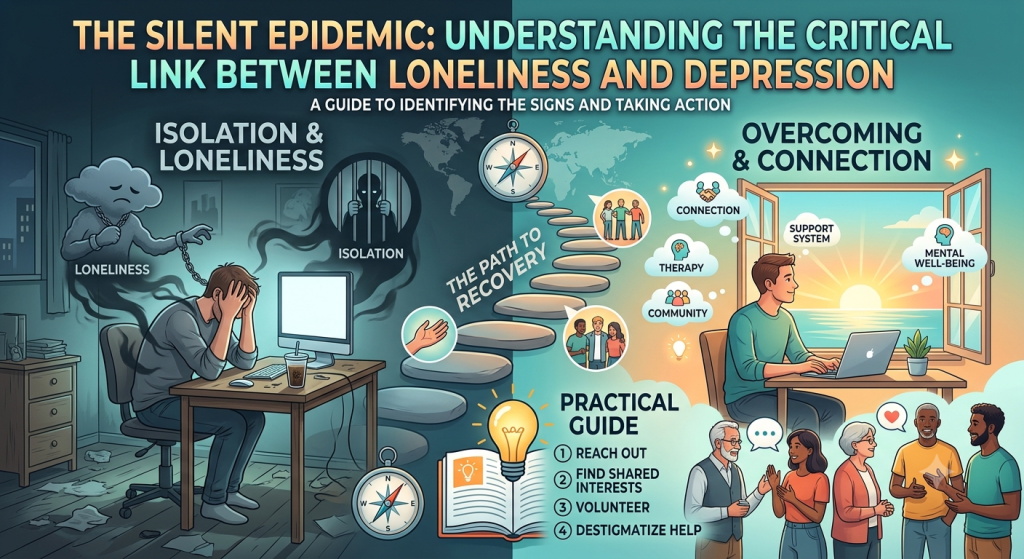
You can be standing in the middle of a packed commuter train, sitting at a bustling family dinner, or managing a network of hundreds of digital connections—and still feel entirely, profoundly alone. Loneliness is not simply the physical absence of other people. It is the painful emotional ache of feeling unseen, misunderstood, and disconnected from the world around you.
When that ache becomes a permanent fixture in your daily life, it does not just damage your mood; it actively rewires your brain.
For millions of adults across the United States, Canada, and the United Kingdom, chronic isolation is the silent catalyst for severe mood disorders. The complex overlap between loneliness and depression functions like a psychological trap. Social isolation triggers depressive symptoms, and as depression deepens, it distorts your thinking, convincing you that you are a burden and forcing you to isolate even further.
If you are trapped in this exhausting cycle, or watching a loved one slowly drift away behind a wall of withdrawal, breaking free requires understanding the biological and psychological forces at play. This comprehensive guide explores the deep-seated connection between social disconnection and mood disorders, identifies the warning signs that are frequently missed, and outlines evidence-based pathways toward meaningful, lasting recovery.
What Is It? The Twin Mechanics of Disconnection
To effectively address this challenge, we must differentiate between its two core components:
- Loneliness: A subjective, distressing emotional response to a perceived gap between the social connections you have and the meaningful relationships you desire. It is an internal emotional signal, much like hunger or thirst, warning you that your basic human need for belonging is not being met.
- Depression: A formal clinical mood disorder—Major Depressive Disorder (MDD)—characterized by persistent feelings of sadness, a total loss of interest in previously enjoyed activities, low energy, and cognitive difficulties that last for at least two consecutive weeks.
+—————————————————————–+
| THE BIOPSYCHOSOCIAL FEEDBACK LOOP |
+—————————————————————–+
| Loneliness (Perceived Isolation) –> Raises Cortisol & Stress |
| | |
| Deepened Isolation <– Depressive Symptoms (Fatigue/Anhedonia) |
+—————————————————————–+
When loneliness becomes chronic, your nervous system remains stuck in a low-grade, hypervigilant fight-or-flight state. Your brain releases a steady stream of stress hormones like cortisol, which over time erodes emotional resilience, dampens dopamine production, and lays the biological groundwork for clinical depression.
Causes and Risk Factors
The dangerous relationship between loneliness and depression is fueled by a mix of shifting cultural norms, life transitions, and underlying vulnerabilities:
- The Reality of Remote Work: The rapid transition to remote and hybrid employment models has stripped away natural, daily face-to-face interactions. Professionals now spend days communicating solely through digital messages, losing the casual social touchpoints that support emotional health.
- Major Life Transitions: Relocating to a new city, changing industries, going through a divorce, or navigating the death of a close friend or spouse can instantly dismantle an established social support system.
- The Superficial Nature of Digital Connection: Spending hours scrolling through social media platforms creates a highly destructive illusion of community. These interactions lack the emotional depth, shared presence, and physiological benefits of real-world human contact.
- Chronic Physical Illness: Managing long-term health issues or mobility limitations can physically cut an individual off from their community, accelerating feelings of worthlessness and emotional despair.
Symptoms and Warning Signs
Because social isolation often develops slowly over months or years, the early signs of a developing mood disorder can be incredibly subtle.
| Early Behavioral Shifts | Cognitive Distortions | Physical & Somatic Signs |
| Canceling social plans at the last minute | Constantly feeling like an outsider in groups | A persistent feeling of physical exhaustion |
| Spending hours browsing social media | Believing that your friends only invite you out of pity | Changes in sleep patterns (insomnia or oversleeping) |
| A drop in daily hygiene or home upkeep | Intense anxiety when text responses are delayed | Frequent stress-induced tension headaches |
| Excessive online shopping or screen immersion | Feeling empty even when surrounded by colleagues | Unexplained digestive distress or comfort eating |
Impact on Daily Life: The Cycle of Social Withdrawal
When loneliness and depression combine, they directly target an individual’s cognitive and behavioral habits.
In professional environments, this dynamic frequently presents as a sudden drop in collaboration, poor focus, and a tendency to avoid team meetings. An individual might pull back from workplace friendships, convince themselves that their contributions don’t matter, and gradually see their performance drop.
At home, the cycle deepens. The exhaustion and lack of joy (anhedonia) caused by depression make the physical effort of planning a dinner, calling a family member, or joining a hobby group feel completely impossible. This involuntary withdrawal isolates the individual further, proving their depressive thoughts correct and making the problem worse.
Scientific Research and Statistics: A Global Perspective
Public health data across the West shows that chronic isolation is no longer a personal inconvenience—it is a widespread public health crisis.
- United States: The U.S. Surgeon General has declared loneliness an epidemic, noting its physical health risks are as damaging as smoking fifteen cigarettes a day. This crisis has driven a massive demand for private telehealth networks and accessible psychiatric services to help individuals find support outside traditional clinical settings.
- United Kingdom: Campaign to End Loneliness data highlights that millions of UK citizens struggle with chronic isolation. This trend has prompted corporations to invest heavily in robust employee wellness programs and specialized mental health apps to identify and support lonely workers early.
- Canada: According to Statistics Canada, roughly one in ten Canadians report feeling lonely constantly or often. Private health insurance providers are expanding their wellness coverage to include evidence-based psychological care, acknowledging that addressing social isolation dramatically lowers long-term healthcare costs.
Therapy Approaches: Breaking the Isolation Cycle
To break the connection between loneliness and depression, you must change the internal thought patterns that keep you isolated. Modern psychotherapy offers practical, structured tools to help you reconnect safely.
1. Cognitive Behavioral Therapy (CBT)
CBT helps individuals identify and challenge the automatic, negative thoughts that fuel social withdrawal (such as “Nobody actually cares if I show up”). A therapist helps you view these assumptions as distorted perceptions rather than facts, encouraging you to test them through small, manageable social interactions.
2. Behavioral Activation (BA)
A central part of depression recovery, Behavioral Activation focuses on systematically scheduling positive, meaningful activities back into your routine. By intentionally engaging in rewarding actions—even when your mood is low—you disrupt the cycle of withdrawal and naturally stimulate your brain’s reward centers.
Finding support is highly accessible today through accredited online therapy platforms, which allow you to work with a licensed professional directly from the comfort of your home.
Treatment Options: Clinical Support
For moderate to severe cases where depression causes severe executive dysfunction or deep despair, combining therapy with medical support can provide vital stability.
- Psychiatric Diagnostic Services: Consulting a psychiatrist ensures your symptoms are properly diagnosed and helps rule out underlying physical issues, like vitamin deficiencies or thyroid imbalances.
- Targeted Medication: The use of daily antidepressants, such as SSRIs, can help balance brain chemistry. By reducing the physical weight of depression, medication can restore the energy and motivation needed to engage in therapy and build new social connections.
Lifestyle and Wellness Strategies: Reconnecting Mindfully
While professional support is invaluable, you can also support your recovery by taking intentional, daily actions to rebuild a sense of belonging.
Structured Micro-Interactions
You do not need to jump straight into intense social events to feel less alone. Instead, start by introducing small, low-pressure micro-interactions into your normal routine:
+—————————————————————–+
| THE PROGRESSIVE SOCIAL LADDER |
+—————————————————————–+
| LEVEL 3: Join a structured group (run club, book class, charity)|
| LEVEL 2: Have a brief conversation with a local barista/cashier |
| LEVEL 1: Work from a shared public space (library or coffee shop)|
+—————————————————————–+
Proactive Somatic Care
Regular physical activity helps clear out accumulated stress hormones while boosting mood-regulating neurotransmitters. Additionally, practice good digital hygiene by replacing endless scrolling with direct, interactive communication, like a quick video call with an old friend or a family member.
Prevention Tips: Protecting Your Emotional Health
Preventing chronic isolation from turning into a severe clinical mood disorder requires regular upkeep of your mental well-being:
- Schedule Connection Mindfully: Treat your social relationships with the same importance as your work meetings. Explicitly block out time each week for a phone call, a coffee run, or a shared activity.
- Leverage Structured Groups: Join organizations centered around a specific, shared task—such as an adult sports league, an art class, or a local volunteer group. This shared focus takes the pressure off making small talk.
- Utilize Professional Resources Early: Do not wait until you are completely overwhelmed to seek help. Explore the tools provided by your employer’s wellness benefits or use reliable mental health apps to keep tabs on your emotional health.
Expert Recommendations
Mental health experts emphasize that recovery is not about suddenly becoming a social butterfly or building a massive network of acquaintances. True emotional resilience comes from the quality, safety, and mutual understanding of your connections, not the sheer quantity.
By utilizing accessible online therapy, leaning on community networks, and gently challenging negative thoughts, you can safely dismantle the cycle of withdrawal, protect your health, and rediscover a deep sense of belonging.
Key Takeaways
- Loneliness actively alters brain biology. Left unaddressed, chronic isolation keeps the nervous system stressed and lowers emotional resilience.
- The cycle feeds on itself. Loneliness causes depression, and depression forces you to withdraw further, making the problem worse.
- Micro-connections are powerful. Small, casual interactions with people in your neighborhood are an effective way to begin re-engaging with the world.
- Professional support is easily accessible. Modern telehealth networks, corporate wellness benefits, and digital tools make finding private help straightforward.
Frequently Asked Questions
1. Can you feel lonely even if you have a partner or live with family?
Yes. Loneliness is entirely subjective and depends on the emotional depth of your relationships, not just having people around you. If you feel misunderstood or emotionally disconnected from the people you live with, you can still experience intense isolation.
2. How long does social isolation have to last before it triggers depression?
There is no fixed timeline, as everyone’s baseline resilience is different. However, clinical studies show that experiencing persistent, distressing feelings of isolation for more than a few months significantly increases the risk of developing clinical depression.
3. Why does depression make me want to avoid the very people who care about me?
Depression alters your thinking, often convincing you that you are a burden, that your company is draining, or that you don’t have the energy to interact properly. These distorted thoughts make pulling away feel like the safest choice, even though it worsens the condition.
4. Does private health insurance usually cover therapy for loneliness-induced depression?
Yes. Comprehensive private health insurance plans across the US, UK, and Canada provide extensive coverage for outpatient mental health services, including psychiatric visits, diagnostic assessments, and individual counseling.
5. How can telehealth platforms help someone who feels too exhausted to leave home?
Virtual care networks remove major barriers to seeking help. If you are struggling with severe depressive fatigue, you can connect with a licensed counselor from your own space, skipping the stress of a commute.
6. Are mental health apps actually useful for rebuilding real-world connections?
Yes. Many modern apps feature evidence-based behavioral tools that help you track your mood, challenge negative thoughts about socializing, and set small, practical daily goals for reaching out to others.
7. What steps can corporate employee wellness programs take to address remote work isolation?
Progressive programs support remote workers by funding virtual coffee chats, providing access to confidential counseling through Employee Assistance Programs (EAPs), and offering wellness stipends for local co-working spaces or hobby groups.
8. What is the difference between healthy solitude and chronic loneliness?
Healthy solitude is an intentional, refreshing choice to spend time alone to rest and recharge. Chronic loneliness is an involuntary, painful feeling of isolation that drains your energy and leaves you feeling disconnected from the world.
9. How can I tell if a loved one is quietly pulling away due to depression?
Look for unhelpful changes in behavior, such as a sudden drop in communication, repeatedly canceling plans, an unusual reliance on alcohol, or a noticeable shift in their sleep patterns or overall energy levels.
10. Can your outlook completely recover after years of chronic isolation?
Absolutely. By combining evidence-based therapies like CBT, making intentional shifts in your lifestyle, and accessing professional medical support when needed, you can rewrite unhelpful thought patterns and build a connected life.
Conclusion: Reclaiming Your Connection to the World
Living with the weight of chronic isolation can make the world feel incredibly distant, but you do not have to carry that burden alone. Recognizing that your current pattern of withdrawal is a natural response from an overloaded nervous system—rather than a personal shortcoming—is the foundation of long-term healing.
If the combined weight of isolation and low mood is beginning to affect your work, your sleep, or your health, consider reaching out for support. Whether you use your organization’s wellness benefits, schedule a private telehealth consultation, or start sessions through an online therapy platform, taking that step is a meaningful investment in your life. You deserve to move through your days feeling seen, valued, and deeply connected to the community around you.