
Book Appointment Now
The Fragile Future: Navigating the Rising Epidemic of Young Adult Mental Health Crises
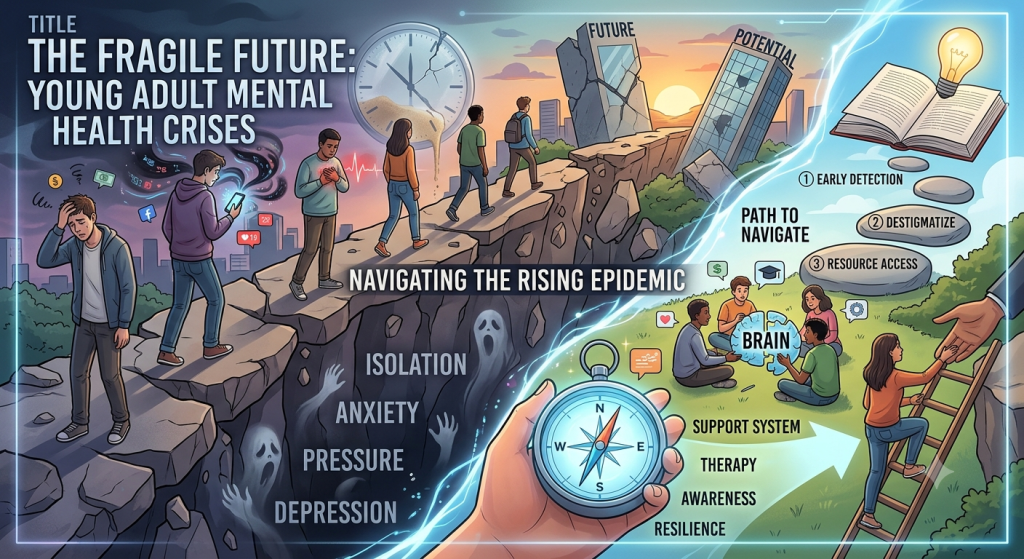
They are the most digitally connected, highly educated generation in human history. Yet behind the curated social media feeds, academic accolades, and career ambitions lies a stark and deeply troubling reality. Today’s young adults are navigating an unprecedented emotional storm, experiencing historic levels of anxiety, severe depression, persistent loneliness, and psychological burnout.
If you are a young adult struggling to keep your head above water, or a parent, educator, or employer watching a young person quietly unravel, you are witnessing a structural shift in public health. The transition from late adolescence into independent adulthood has always been challenging. However, the modern landscape has fundamentally altered this journey, turning ordinary developmental milestones into a high-stakes obstacle course that leaves millions feeling chronically overwhelmed.
The good news is that this generational distress is not an inevitable personal failure. It is a highly systemic, deeply researched phenomenon that can be effectively managed and treated. This comprehensive guide explores the deep-seated roots of the young adult mental health crisis, identifies the critical warning signs that are frequently missed, and maps out concrete, evidence-based pathways toward lasting recovery.
What Is It? Defining the Modern Transitional Crisis
When we discuss the young adult mental health crisis, we are looking at individuals roughly between the ages of 18 and 29. In developmental psychology, this phase is often classified as “emerging adulthood.” It is a unique window of life characterized by rapid brain maturation—particularly within the prefrontal cortex, which governs long-term planning and emotional regulation—alongside massive structural life shifts.
Unlike previous generations, who often transitioned smoothly from education directly into stable, long-term employment and family structures, today’s young adults face a prolonged, highly unstable transitional phase. The constant pressure to establish a professional identity, achieve total financial independence, and navigate complex relational networks creates a state of chronic uncertainty. When a vulnerable, still-developing nervous system is exposed to this prolonged ambient stress, it can easily trigger clinical anxiety disorders, major depressive episodes, and persistent emotional exhaustion.
Causes and Risk Factors: The Perfect Psychological Storm
The current decline in youth mental fitness cannot be blamed on a single, isolated factor. Instead, it is driven by a unique confluence of macroeconomic, technological, and cultural shifts:
- The Digital Panopticon and Social Comparison: Growing up with smartphone connectivity means young adults are constantly bombarded with highly curated, unrealistic highlights of their peers’ lives. This endless social comparison erodes self-esteem, creates severe sleep deprivation due to blue-light exposure, and fuels a deep sense of social isolation.
- The Weight of Economic Uncertainty: Skyrocketing housing costs, substantial student loan debt, and an increasingly precarious, hyper-competitive gig economy have made traditional milestones—like homeownership or financial stability—feel entirely out of reach, fueling a sense of existential dread.
- The Structural Erosion of Organic Community: Traditional community pillars, such as local civic clubs, religious organizations, and extended family networks, have steadily declined. While young adults are hyper-connected digitally, they report historic lows in meaningful, face-to-face human connection.
- Climate and Global Anxiety: Continuous exposure to a 24/7 global news cycle filled with international conflicts, economic instability, and environmental crises creates a heavy baseline of anticipatory stress about the future.
Symptoms and Warning Signs: What Distress Actually Looks Like
Psychological distress in young adults does not always look like overt sadness or withdrawal. Because this demographic is highly adaptable, their symptoms frequently mask themselves as culturally normalized behaviors, making them incredibly easy to miss.
| Cognitive & Emotional Indicators | Behavioral Alterations | Somatic & Physical Signs |
| Chronic, low-grade irritability or sudden emotional outbursts | Obsessive perfectionism or overworking to avoid failure | Persistent, unexplained fatigue despite sleeping hours |
| An overwhelming sense of detachment or emotional numbness | Complete withdrawal from real-world, face-to-face social circles | Frequent, stress-induced tension headaches or migraines |
| Constant, paralyzing indecision regarding minor daily choices | Sudden, heavy reliance on alcohol, vaping, or substances | Chronic digestive issues, stomach pain, or acid reflux |
| Deep-seated cynicism or despair about personal and global futures | Sudden decline in academic performance or professional output | Significant shifts in sleep patterns (insomnia or hypersomnia) |
Impact on Daily Life: The Price of Early Burnout
Left unaddressed, the continuous strain on a young person’s mental health can derail their life trajectory during their most formative professional years.
In corporate environments and university settings, this crisis manifests as severe executive dysfunction. An individual may struggle with time management, experience regular panic attacks before presentations, or completely freeze when faced with constructive feedback.
On a personal level, this distress often causes young adults to pull back from dating, isolate themselves from friend groups, and remain living with parents much longer due to a paralyzing fear of independent failure. The long-term economic and social cost of a generation entering the workforce while emotionally exhausted is massive, impacting innovation, productivity, and overall societal health.
Scientific Research and Statistics: A Transatlantic Breakdown
Public health metrics from across the United States, Canada, and the United Kingdom show identical, historic spikes in psychological distress among this specific demographic.
+—————————————————————–+
| YOUTH MENTAL HEALTH CRISIS: REGIONAL TRENDS |
+—————————————————————–+
| UNITED STATES –> 1 in 3 report severe mental illness (SAMHSA) |
| CANADA –> Worst mental health scores of any age (CAMH) |
| UNITED KINGDOM –> Urgent referrals hit record highs (NHS) |
+—————————————————————–+
- United States: Data from the Substance Abuse and Mental Health Services Administration (SAMHSA) shows that roughly one-third of young adults aged 18-25 experience a mental, behavioral, or emotional illness. This surge has placed a massive demand on digital telehealth networks and specialized psychiatric services, as traditional clinics struggle to keep pace with the volume of patients.
- Canada: The Centre for Addiction and Mental Health (CAMH) routinely finds that young adults report the worst mental health scores of any age demographic in the country. Private health insurance corporations are actively expanding coverage for youth mental health services, recognizing that early psychological intervention drastically reduces long-term disability claims.
- United Kingdom: National Health Service (NHS) statistics reveal that urgent referrals for young people experiencing mental health crises have reached record highs. This strain has forced UK universities and enterprises to introduce comprehensive employee wellness programs and premium mental health apps to catch struggling individuals before they reach an absolute breaking point.
Therapy Approaches: Modern Tools for Digital Natives
Treating the unique stressors of modern young adulthood requires highly flexible, collaborative, and evidence-based psychological interventions that fit seamlessly into their fast-paced lifestyles.
1. Acceptance and Commitment Therapy (ACT)
ACT is exceptionally effective for young adults navigating major life choices. Rather than fighting or trying to eliminate uncomfortable thoughts and anxieties, ACT teaches individuals to accept their internal experiences while committing to actions that align with their core values. This approach helps reduce the paralyzing fear of making the “wrong” choice.
2. Dialectical Behavior Therapy (DBT)
For young adults dealing with intense emotional volatility, relationship instability, or self-harming impulses, DBT provides essential coping mechanisms. It offers structured training in four key areas: mindfulness, distress tolerance, interpersonal effectiveness, and emotional regulation, helping individuals manage intense feelings without relying on destructive coping mechanisms.
Accessing these proven modalities is incredibly convenient today through verified online therapy platforms, which remove traditional barriers like commuting or scheduling conflicts by allowing individuals to connect with specialized professionals from anywhere.
Treatment Options: Clinical Support Systems
When psychological distress significantly limits an individual’s ability to hold a job, attend classes, or maintain safe daily routines, integrating medical interventions can provide a necessary foundation for recovery.
- Comprehensive Psychiatric Services: A thorough evaluation by a psychiatrist is essential to check for underlying neurodevelopmental conditions (such as adult ADHD) or mood disorders that may be fueling chronic anxiety or depression.
- Medication Management: When paired with active therapy, carefully monitored medications—such as SSRIs or non-stimulant anti-anxiety options—can help quiet an overactive nervous system. This clinical support can restore the focus, energy, and emotional baseline needed to fully participate in everyday life.
Lifestyle and Wellness Strategies: Reclaiming Autonomy
While professional treatment is crucial, young adults can also actively support their recovery by introducing small, intentional daily habits to protect their energy.
Digital Hygiene and Connection
- Enforce Tech-Free Windows: Dedicate the first and last hours of your day to completely disconnecting from screens. This simple shift helps lower cortisol spikes and improves overall sleep quality.
- Prioritize Real-World Interaction: Intentionally schedule regular, face-to-face meetups with friends, sports clubs, or volunteer groups. Replacing digital scrolling with physical, human connection is a powerful antidote to chronic loneliness.
Somatic Grounding Practices
When the pressure of daily tasks triggers a sudden stress response, young adults can quickly ground their nervous system using simple, evidence-based practices:
+—————————————————————–+
| THE 5-4-3-2-1 GROUNDING TECHNIQUE |
+—————————————————————–+
| 👁️ 5 Things you can SEE | 🖐️ 4 Things you can TOUCH |
| 👂 3 Things you can HEAR | 👃 2 Things you can SMELL |
| 👅 1 Thing you can TASTE | |
+—————————————————————–+
| Effect: Pulls the brain out of anxiety and back into the room |
+—————————————————————–+
Prevention Tips: Building Generational Resilience
Preventing a temporary mental health challenge from turning into a severe, long-term crisis requires proactive habits from young adults and the institutions that support them:
- Ditch the Perfectionist Mindset: Intentionally embrace the reality that early adulthood is naturally a time for trial, error, and mid-course corrections, rather than flawless achievement.
- Build Financial Literacy Early: Gaining a clear, practical understanding of budgeting, student loan repayment strategies, and basic financial management can significantly lower financial anxiety.
- Utilize Available Institutional Tools: Actively take advantage of university counseling centers, employer-provided wellness resources, and peer support networks before stress levels become unmanageable.
Expert Recommendations
Leading mental health professionals emphasize that addressing this crisis requires a shift in how we view early adulthood. We must stop treating mental health challenges as an individual weakness or lack of resilience. Instead, we need to view these struggles as a natural response to an environment that demands constant productivity and perfection.
By utilizing evidence-based online therapy, leaning on community resources, and setting realistic personal expectations, young adults can learn to navigate modern challenges with resilience, protect their health, and build a sustainable path forward.
Key Takeaways
- The crisis is systemic, not personal. Modern economic, social, and technological pressures create an environment that can easily overload a young adult’s nervous system.
- Distress often looks like perfectionism or irritability. Do not assume a young person is doing well just because they are meeting their academic or professional goals.
- Digital connection cannot replace human community. Reducing screen time and building real-world relationships is essential for reducing generational loneliness.
- Confidential, high-quality care is available. From employer wellness programs to secure telehealth networks and mental health apps, finding support is highly accessible.
Frequently Asked Questions
1. Why is young adult mental health declining so rapidly right now?
The decline is fueled by a combination of factors: the isolating effects of social media, rising economic pressures like high housing costs, the breakdown of traditional social communities, and a hyper-competitive job market that causes early burnout.
2. How can I tell the difference between ordinary stress and a clinical mental health issue?
Ordinary stress is temporary and usually fades once a specific challenge, like a final exam or work project, is resolved. If an individual experiences persistent anxiety, irritability, emotional numbness, or changes in sleep and appetite for more than two consecutive weeks, it may point to a clinical condition.
3. What makes entering adulthood so much harder today than it was for previous generations?
Today’s young adults face a highly volatile job market, substantial student loan debt, and high living costs, all while navigating their lives under the constant pressure of social media. These factors have made achieving traditional milestones much more complex and uncertain.
4. Do university health insurance plans typically cover online therapy?
Yes. Most modern student health insurance plans and university wellness programs across the US, Canada, and the UK provide extensive coverage for both face-to-face and virtual mental health services.
5. How can telehealth services help a young professional struggling with anxiety?
Virtual care networks offer highly flexible, private options that fit easily into a busy schedule. Young professionals can access licensed therapists or psychiatric consultations during lunch breaks or evenings without needing to travel to a clinic.
6. Are digital mental health apps effective for managing daily stress?
Yes. While they cannot replace formal therapy for severe conditions, evidence-based apps provide excellent tools for managing daily stress, offering features like guided breathing exercises, cognitive journaling templates, and real-time habit tracking.
7. How do modern employee wellness programs support young workers?
Many progressive enterprises offer comprehensive wellness programs that include free, confidential access to short-term counseling through Employee Assistance Programs (EAPs), mental health days, and workshops focused on preventing burnout.
8. What should a young adult look for when choosing an online therapy platform?
Look for platforms that pair you with fully licensed, accredited mental health professionals, utilize secure, privacy-compliant communication systems, and offer clear, upfront pricing or direct integration with your health insurance policy.
9. Why does depression in young adults sometimes look like anger or irritability?
When a young person feels overwhelmed by external pressures but feels unable to express vulnerability safely, their distress can present as irritability, frustration, or sudden outbursts of anger.
10. Can a young adult fully recover from a severe mental health crisis?
Absolutely. With early intervention, evidence-based therapeutic approaches like CBT or ACT, appropriate lifestyle shifts, and a strong support network, the vast majority of young adults successfully manage their symptoms and build thriving, fulfilling lives.
Conclusion: Reclaiming Your Path Forward
Navigating the transition into adulthood in today’s fast-paced world can feel like walking a tightrope, but you do not have to carry that weight alone. Recognizing that your current feelings of anxiety, exhaustion, or isolation are a sign of an overloaded system—rather than a personal failure—is the foundation of long-term healing.
If the pressures of your career, education, or personal life are beginning to feel unmanageable, consider reaching out for support. Whether you explore resources through an institutional wellness program, schedule a confidential consultation via a telehealth platform, or start working with an online therapy provider, taking that step is a meaningful investment in your future. You deserve to move toward your goals with a deep sense of confidence, balance, and true peace of mind.