
Book Appointment Now
When the Alarm Sounds: The Complete Guide to Panic Attacks, Symptoms, and Path to Recovery
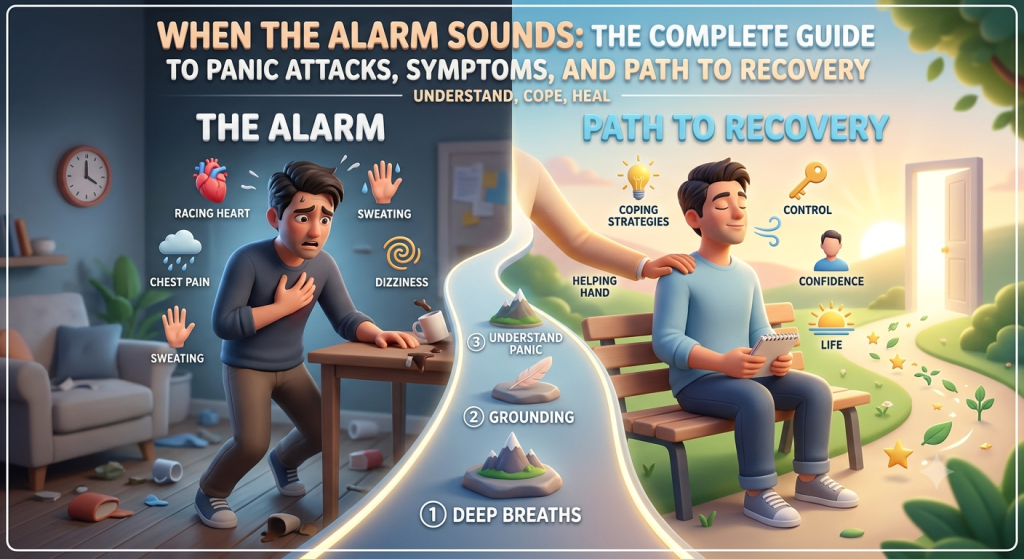
It happens out of nowhere. You could be sitting in a routine corporate meeting, driving down a familiar highway, or simply standing in line at the grocery store. Suddenly, the world tilts. Your heart begins to hammer against your ribs like a trapped bird. Your chest tightens, making it nearly impossible to draw a full breath, and a wave of intense heat or ice-cold chills washes over your skin. In that exact moment, a terrifying certainty takes root in your mind: I am having a heart attack. I am losing my mind. I am about to die.
If you have ever experienced this overwhelming surge of terror, you have felt the raw power of a panic episode.
Few medical events match the intense dread that tags along with acute physical dread. Afterward, you are left physically exhausted, emotionally drained, and deeply shaken, wondering when the next unseen wave will hit.
The good news is that while these episodes feel like a life-threatening emergency, they are entirely treatable. This comprehensive guide breaks down the complex mechanics of panic attack symptoms, provides actionable steps on how to stop a panic attack fast, and explores the clinical paths for long-term panic disorder treatment.
What Is It? The Neurobiology of False Alarms
A panic attack is a sudden, discrete episode of intense fear or discomfort that reaches a screaming peak within a matter of minutes.
To understand what is happening to your body, think of it as an accidental activation of your internal survival system. Your brain’s threat detector—the amygdala—is designed to initiate an immediate flood of adrenaline and cortisol whenever you face genuine physical danger, preparing you to either fight or flee.
+—————————————————————–+
| THE ANATOMY OF A “FALSE ALARM” |
+—————————————————————–+
| Real Predator –> Amygdala Signals Danger –> Fight or Flight (Safe) |
| Stress/Triggers–> Amygdala Misfires –> Panic Attack (Dread)|
+—————————————————————–+
During a panic episode, this exact biological response fires off without any actual physical threat in sight. Your brain rings the emergency bell, and your body reacts as if it is facing a major crisis, leaving you to manage an intense physical storm in the middle of an ordinary day.
Causes and Risk Factors
Panic episodes rarely strike due to a single, isolated factor. They are typically the result of an overlapping mix of biological vulnerabilities, lifestyle habits, and psychological triggers:
- Genetics and Brain Chemistry: A family history of severe anxiety or mood disorders increases your baseline susceptibility. Small variations in how your brain processes key neurotransmitters—like serotonin and norepinephrine—can lower your threshold for a panic response.
- Chronic Systemic Stress: Prolonged exposure to exhausting environments, such as a high-pressure job, ongoing financial strain, major relationship issues, or a difficult life transition, can over-sensitize your central nervous system.
- Past Traumatic Experiences: Surviving trauma or dealing with Adverse Childhood Experiences (ACEs) can leave your nervous system in a state of hypervigilance, making it more prone to misinterpreting stress as immediate danger.
- Physical Vulnerabilities and Stimulants: Medical conditions like thyroid imbalances, low blood sugar, or cardiac arrhythmias can mimic or trigger internal tension. Similarly, high consumption of stimulants like caffeine can spark physical jitteriness that your mind quickly misinterprets as sudden fear.
Symptoms and Warning Signs
Because a panic response floods your entire body, the physical markers are often mistaken for a severe cardiovascular or neurological emergency. Recognizing standard panic attack symptoms is crucial for reminding yourself that you are physically safe during an episode.
| Physical Markers | Cognitive & Emotional Signs | Sensory Distortions |
| Heart palpitations or racing heart rate | An intense, overwhelming fear of dying | Sudden hot flashes or shivering chills |
| Shortness of breath or a choking sensation | A terrifying fear of losing control or going crazy | Numbness or tingling sensations in hands and feet |
| Sharp chest pain, discomfort, or tightness | Feeling detached from your body (depersonalization) | Intense dizziness, lightheadedness, or feeling faint |
| Sudden nausea, upset stomach, or GI distress | Feeling like your surroundings aren’t real (derealization) | Sudden trembling, shaking, or heavy sweating |
Impact on Daily Life: The Cycle of Anticipatory Anxiety
The disruption caused by these episodes extends far beyond the fifteen minutes of active physical distress. The real burden often stems from the persistent, exhausting fear of the next attack—a condition known as anticipatory anxiety.
When an individual associates a specific location (like a crowded train, an open marketplace, or an office boardroom) with a previous panic episode, their mind begins to flag that environment as hazardous. Slowly, they start modifying their daily routine to avoid those spaces. Over time, this avoidance behavior can shrink their world completely, making it difficult to commute to work, socialize with friends, or leave the comfort of home. This isolation can strain personal relationships and cause significant professional difficulties.
Scientific Research and Statistics: A Global Perspective
If you are quietly navigating this exhausting condition, current public health data across the United States, Canada, and the United Kingdom proves you are far from alone.
- United States: The National Institute of Mental Health (NIMH) reports that roughly 4.7% of American adults will struggle with a formal panic condition at some point in their lives. This ongoing challenge has driven a massive expansion in telehealth networks and specialized psychiatric services, making it easier for professionals to access care outside traditional clinical settings.
- United Kingdom: National Health Service (NHS) tracking indicates that panic conditions and severe anxiety are major drivers of emergency room visits. This continuous pressure on urgent care has led to a significant push for corporate employee wellness programs and premium mental health apps to provide early, accessible coping tools.
- Canada: Data from the Centre for Addiction and Mental Health (CAMH) shows that anxiety disorders are the most common mental health challenges in the country. Private health insurance companies have responded by broadening coverage for evidence-based psychological treatments, acknowledging that early support reduces long-term healthcare costs.
Therapy Approaches: Rewiring the Threat Response
To achieve lasting freedom from unexpected panic, you must shift how your brain reacts to its own internal signals. Modern clinical psychology offers highly effective, structured pathways to accomplish this.
1. Cognitive Behavioral Therapy (CBT)
CBT is widely recognized as the gold standard for panic disorder treatment. During CBT sessions, a therapist helps you examine and break down the catastrophic thoughts that fuel your panic (such as assuming a racing heart means an impending heart attack). You learn to view these physical feelings as temporary adrenaline spikes rather than actual danger, which breaks the panic-fueling cycle.
2. Interoceptive Exposure Therapy
This specialized branch of CBT gently and safely replicates the physical sensations of panic in a controlled environment—such as intentionally hyperventilating for thirty seconds or spinning in a chair to induce dizziness. By deliberately experiencing these sensations without running away, your brain learns that these feelings, while uncomfortable, are not inherently dangerous.
Accessing these proven therapeutic methods is simpler than ever thanks to licensed online therapy platforms, which connect you with qualified professionals directly from your home.
Treatment Options: Medical Interventions
For individuals dealing with frequent, severe episodes that disrupt daily life, integrating medical support through specialized clinical care can provide important stability.
- Selective Serotonin Reuptake Inhibitors (SSRIs): Medications like sertraline, paroxetine, or fluoxetine are frequently prescribed as daily maintenance options. They work by balancing brain chemistry over time, reducing both the frequency and intensity of unexpected episodes.
- Benzodiazepines: Fast-acting medications such as alprazolam or clonazepam can quiet the central nervous system within minutes. Because they carry a risk of dependency, medical professionals typically restrict their use to short-term, acute situations.
Lifestyle and Wellness Strategies: Reclaiming Balance Naturally
If you want to support your nervous system naturally, integrating simple behavioral shifts into your routine can help lower your baseline stress level.
How to Stop a Panic Attack Fast: Emergency Tools
When a sudden wave of panic hits, you can interrupt the physical spiral using these evidence-based techniques:
- Adopt Box Breathing: Inhale deeply through your nose for 4 seconds, hold that breath for 4 seconds, exhale slowly through your mouth for 4 seconds, and hold your lungs empty for 4 seconds. Repeating this cycle four or five times forces your vagus nerve to slow your heart rate down.
- Acknowledge and Describe: Stop fighting the feeling. Mentally say to yourself: “My heart is racing because of an adrenaline spike. This is uncomfortable, but I am entirely safe, and this wave will pass in a few minutes.”
- Use Cold Temperature Tapping: Splash ice-cold water on your face or hold an ice cube in your palm. The intense cold triggers the mammalian dive reflex, which naturally slows your heart rate and redirects your mind’s attention.
+—————————————————————–+
| IMMEDIATE PANIC RESET PROTOCOL |
+—————————————————————–+
| 1. Box Breathe –> Inhale 4s | Hold 4s | Exhale 4s | Hold 4s|
| 2. Reframe Reality –> “This is adrenaline. It is safe. It passes.” |
| 3. Somatic Shock –> Splash ice-cold water to reset heart rate |
+—————————————————————–+
Proactive Nervous System Care
Avoid excessive central nervous system stimulants, such as high doses of caffeine or refined sugars, which can trigger physical sensations that feel identical to early panic. Regular cardiovascular movement helps process and clear out built-up stress hormones, while dedicated mindfulness practices can train your mind to stay grounded in the present.
Prevention Tips
Preventing panic from building up requires proactive upkeep of your mental health. Consider these foundational daily habits:
- Establish a Consistent Sleep Routine: Fatigue impairs the brain’s ability to regulate emotion, making you more vulnerable to stress-induced false alarms.
- Incorporate Structured Decompression: Dedicate fifteen minutes every day to completely disconnect from work, screens, and obligations to let your nervous system rest.
- Track Patterns Early: Use simple digital tools to note your specific triggers, helping you address underlying stressors before they turn into physical panic.
Expert Recommendations
Mental health professionals consistently emphasize that recovery relies on changing your relationship with panic, rather than trying to banish the emotion entirely.
Instead of treating an episode as an enemy to fight, look at it as an overprotective, misinformed internal alarm system. By leaning into the physical sensations during moments of calm and utilizing evidence-based panic attack recovery tips, you show your brain that it doesn’t need to panic about panic itself. Over time, this shifts your baseline response, helping you regain your confidence and peace of mind.
Key Takeaways
- Panic attacks are false alarms, not medical emergencies. The intense physical feelings are uncomfortable, but they are not dangerous.
- Fighting the attack usually makes it worse. Leaning into the sensations and practicing slow breathing helps the adrenaline clear out faster.
- Avoidance shrinks your daily life. Addressing the fear early prevents anticipatory anxiety from limiting your choices.
- Professional support is readily available. Modern online therapy, comprehensive insurance plans, and specialized digital apps make finding the right care highly accessible.
Frequently Asked Questions
1. How long does a typical panic attack last?
Most episodes reach their physical peak within 10 minutes and begin to fade gradually after that. While the acute surge clears out quickly, your body can feel tired or slightly unsettled for a few hours afterward as your adrenaline levels normalize.
2. Can an unexpected panic attack actually stop your breathing or damage your heart?
No. Even though it can cause a powerful sensation of chest tightness or shortness of breath, your respiratory and cardiovascular systems remain fully functional. Your heart is designed to safely handle periods of rapid beating during intense exercise or stress.
3. What is the main difference between a panic attack and an anxiety attack?
Anxiety attacks are typically linked to a specific, prolonged worry (like an upcoming financial bill) and build up slowly over days or weeks. A panic attack strikes suddenly out of nowhere, carries much more intense physical symptoms, and features a distinct fear of immediate death or losing control.
4. How can I tell if my chest pain is from panic or a real heart emergency?
Panic-related chest pain typically presents as a sharp, localized tightness that improves with slow breathing and clears up within a few minutes. Cardiac chest pain often presents as a heavy, crushing pressure that radiates down the left arm or into the jaw and is accompanied by persistent shortness of breath. If you are ever uncertain, seek emergency medical evaluation immediately.
5. Does standard private health insurance cover panic disorder treatment?
Yes, most comprehensive private health insurance policies across the US, Canada, and the UK offer extensive coverage for outpatient mental health care, including psychiatric diagnostic visits, individual counseling, and necessary prescriptions.
6. Are online therapy platforms effective for addressing unexpected panic?
Yes. Clinical trials demonstrate that video-based Cognitive Behavioral Therapy (CBT) delivered via secure online platforms is just as effective as traditional, face-to-face sessions for reducing the frequency and severity of panic episodes.
7. How do corporate employee wellness programs support workers dealing with panic?
Many modern employee wellness programs provide confidential access to Employee Assistance Programs (EAPs). These services offer short-term counseling, immediate crisis support, and practical workshops to help professionals manage workplace stress and anxiety.
8. What features should I look for in a mental health app for panic relief?
Look for apps that offer evidence-based tools, such as guided box-breathing visuals, real-time cognitive reframing logs, and somatic grounding tools designed to help interrupt a panic spiral as it begins.
9. Why do my hands and feet tingle when I feel panicked?
When your fight-or-flight system is activated, your body rapidly redirects oxygen-rich blood away from your extremities and toward your major muscle groups to prepare for action. This sudden shift in circulation causes a harmless, temporary tingling or numb sensation in your fingers and toes.
10. Can you fully recover from panic disorder?
Absolutely. With a combination of evidence-based therapy, dedicated lifestyle habits, and appropriate medical support when needed, the vast majority of individuals successfully overcome panic conditions and fully reclaim their daily lives.
Conclusion: Taking Control of Your Journey
Living with unexpected panic can feel like navigating an unpredictable storm, but you do not have to weather it alone. Recognizing these physical symptoms for what they truly are—an overactive alarm system rather than an actual medical crisis—is the foundation of long-term recovery.
If unexpected panic is currently limiting your daily choices, affecting your sleep, or causing ongoing distress, consider reaching out to a professional. Whether you connect with a provider through a workplace wellness initiative, access specialized care via a telehealth consultation, or start sessions on an online therapy network, taking that step is an investment in your health. You deserve to move through the world with a deep, lasting sense of safety and peace of mind.
To help customize your path to recovery:
Differentiate between panic symptoms and cardiac events
Build a step-by-step panic exposure plan